


Strengthening the Multifamily Capital Stack
Ask a seasoned multifamily sponsor what separates a deal that gets built from one that stalls and the answer rarely comes back to design or location alone. It often comes back to the capital stack. In a market where debt is expensive and equity is precious, the sponsors closing deals are the ones who’ve found a better way to fund them. Increasingly, that means Commercial Property Assessed Clean Energy financing, or C-PACE.
Where Traditional Capital Falls Short
Multifamily development is capital-intensive by nature, and today’s lending environment hasn’t made that easier. Construction lenders are holding leverage tight, costs haven’t retreated, and every dollar a sponsor puts into equity is a dollar tied up. Too often, that leaves developers choosing between trimming the project’s scope, bringing in a co-investor, or passing on a deal that otherwise pencils.
C-PACE offers a different path. It’s long-term, fixed-rate, non-recourse capital tied to qualifying building improvements. The potential funding is based on the budgeted costs that impact utility bills — from the envelope, elevators, and HVAC to electrical, windows, and plumbing systems (usually about 35% of the budget). Structured into the construction capital stack, C-PACE adds leverage most senior lenders won’t provide, without requiring the sponsor to give up equity or bring in another partner.
The appeal for sponsors is direct: incremental leverage at a lower cost than mezzanine debt or preferred equity, structured to fit the project’s timeline, and secured without personal recourse. This is capital markets discipline applied to the deal, not a sustainability add-on.
Building a Stack That Works Harder
What sets disciplined sponsors apart today is how they think about the whole capital stack, not just the construction loan. C-PACE isn’t a substitute for senior debt or equity — it’s a complement, positioned to close the gap that has historically forced developers to compromise on scope or ownership. PACE Equity Finance has deployed over $1 billion across more than 200 commercial projects, and the pattern holds across deal after deal: lower equity requirements, stronger coverage ratios, and capital stacks that lenders underwrite with confidence.
A Stronger Asset from Day One
Capital improvements funded through C-PACE don’t just optimize the balance sheet — they shape the finished product. Well-built systems mean fewer maintenance calls, more consistent unit conditions, and a smoother lease-up, all of which matter to residents whether the property is workforce or market-rate. A building that performs well operationally is easier to lease, easier to hold, and easier to finance down the road.
For sponsors focused on the long-term hold, that reliability compounds. Lower operating surprises support NOI, and a well-capitalized construction budget means fewer change orders and delays disrupting the schedule.
Two Deals, One Playbook
Two recent transactions show how this plays out in practice — different markets, different unit counts, the same underlying logic.
THE BRIXTON
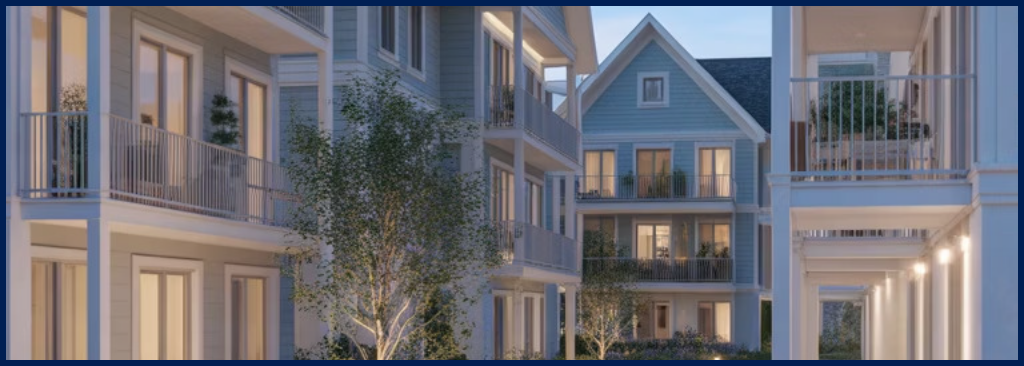
The Brixton is a 148-unit workforce housing community on nearly 19 acres south of downtown Traverse City, built across three residential buildings with amenities including climate-controlled storage and EV charging infrastructure.
On the $32.5 million development, PACE Equity Finance provided $7.2 million in long-term, fixed-rate C-PACE financing alongside the senior
construction loan — 22% of the capital stack — with an interest-only period aligned to the project’s construction and lease-up timeline. The financing reduced the sponsor’s equity requirement by 50%.
PACE Equity Finance’s team moved fast and understood the capital stack complexity of a 148-unit workforce housing development. Their financing let us push affordability further without compromising the project. –TOM O’HARE | Principal, Keel Capital
LUNA APARTMENTS
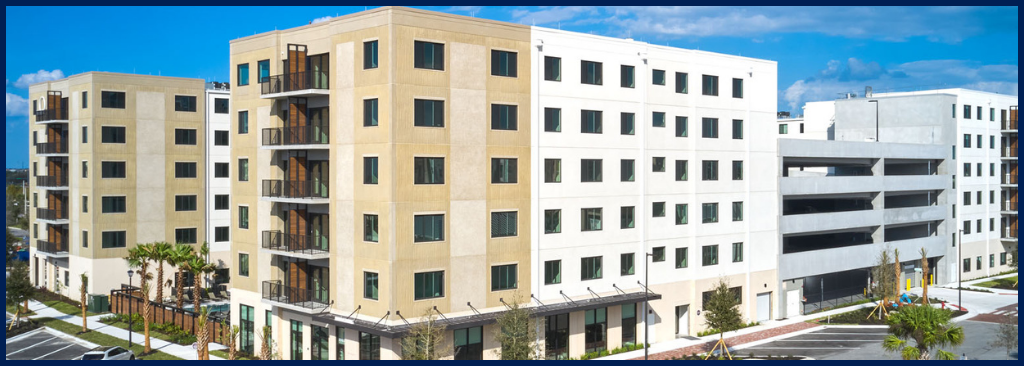
Luna Apartments is a 245-unit Class A multifamily development spanning 398,000 square feet on Florida’s high-growth Space Coast. To complete the capital stack while optimizing weighted average cost of capital and improving project IRR, PACE Equity Finance structured $10.5 million in C-PACE development funding on a 30-year, fixed-rate term against the $58 million project — 18% of the capital stack. PACE Equity Finance also managed lender consent, aligning every party across the stack.
PACE Equity Finance met with several of our prospective construction lenders, which was so important to our success. Once our firm got comfortable with it, PACE Equity Finance helped educate the lenders, which was critical. I was impressed with the process. –SHAWN MCINTYRE | Managing Partner, North American Properties, Inc.
Structuring Ahead of the Market
Sponsors who bring C-PACE into a deal early — before the construction loan is finalized — tend to see the most benefit. Structuring it upfront gives the whole capital stack more room to work: lenders see the full picture, pricing reflects the strength of the plan, and the sponsor isn’t scrambling to fill a gap after the fact. It’s a matter of sequencing as much as it is a matter of capital.
Where This Leaves Sponsors
The multifamily developers moving deals forward right now aren’t waiting for construction costs to ease or rates to drop. They’re rethinking how the stack is built — preserving equity, strengthening the asset, and keeping projects on schedule, all through the same piece of capital.
C-PACE isn’t a niche financing tool anymore. For sponsors who know how to use it, it’s become part of how multifamily deals get done.